- Contact us
- |
- About us
- |
- |
-
- Dashboard
- Personal information
- Organization
- Address book
- Sign in
- Don't have an account? Sign-up
Shielding Effectiveness (SE) Monitoring System
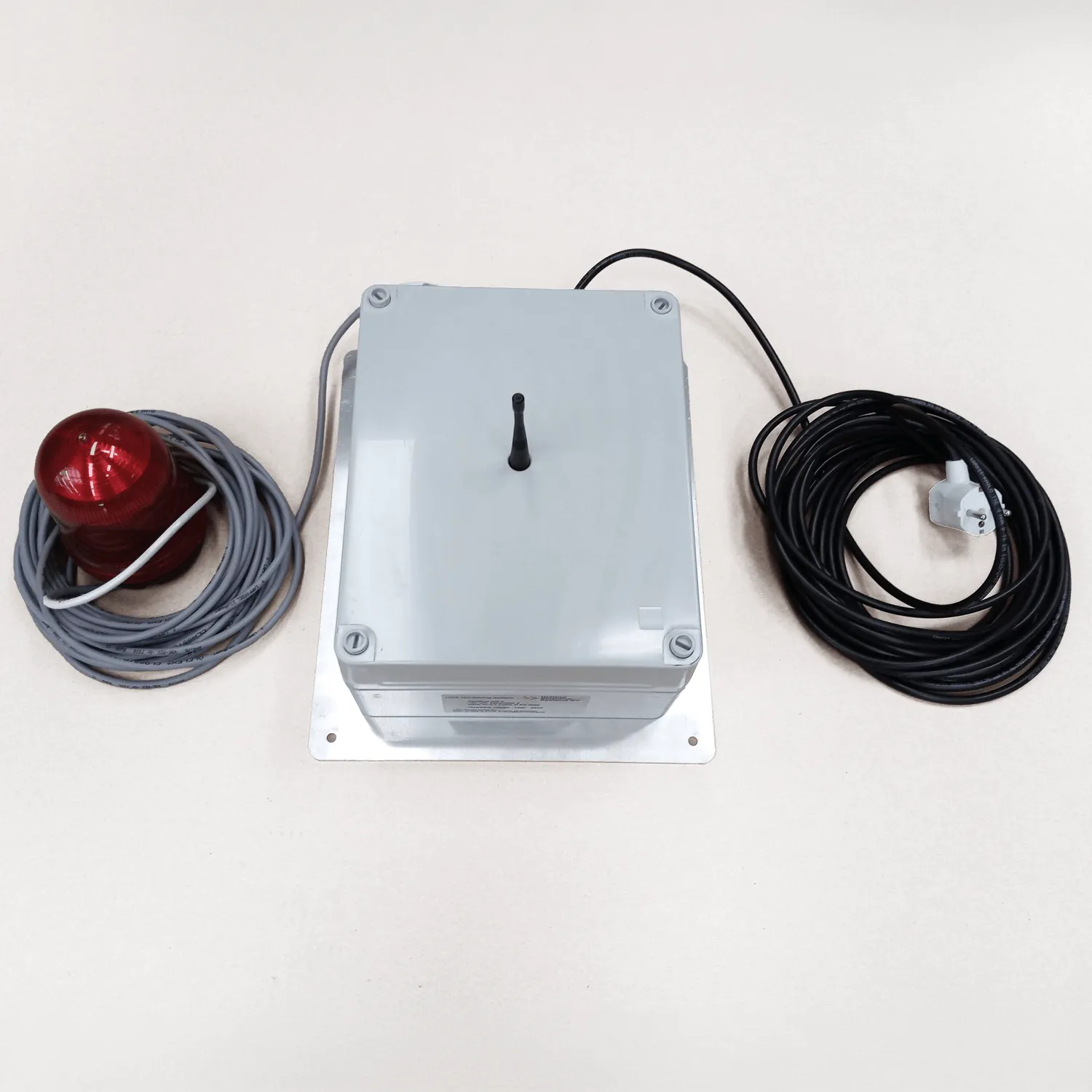
Ensure a continuous measurement of your Faraday cage with our advanced Shielding Effectiveness Monitoring System. This system is designed to measure your farayday cage shielding effectiveness every 60 seconds in a frequency range between 700 MHz – 1.9 GHz. It will detect a threshold of ≥ 100 dB shielding attenuation. When the measurement is off i twill immediate alert you in case of performance degradation.
The system is designed for high-security environments and has a transmission power of 100 mW ERP. The casing has a size of 300 x 300 x 200 mm and connections are needed on both inside and outside of your faraday cage.
Technical specifications
- Monitoring Frequency Range: 700 MHz – 1.9 GHz
- Check Interval: Every 60 seconds
- Transmission Power: 100 mW ERP
- Detection Threshold: ≥ 100 dB shielding attenuation
- Enclosure Dimensions: Approx. 300 × 300 × 200 mm
Installation Requirements
- Power Supply: 230 V / 50 Hz required
- Connections needed both inside and outside the faraday cage
Features
- Continuous Monitoring
Performs a full shielding effectiveness check every minute, ensuring constant system reliability. - Wide Frequency Range
Operates across 700 MHz to 1.9 GHz, covering critical communication bands. - High Sensitivity Detection
Capable of detecting shielding performance from 100 dB attenuation and below. - Internal Transmission Source
The transmitter is installed inside the shielded environment, ensuring accurate and representative measurements. - Calibrated Accuracy
System performance is verified after installation using an Intriple TEMPEST measurement setup, guaranteeing precise and reliable results. - Alarm & Integration Capabilities
- Integrated 100 dB(A) siren for immediate local alerts
- Potential-free contact output for seamless integration with building management systems (BMS)
- Controlled Emission Power
Operates at 100 mW ERP, ensuring effective testing without interference risks.

Worldwide leading manufacturer of EMC (electromagnetic compatibility), EMI (electromagnetic interference) and RFI (radio frequency interference) shielding solutions. Our EMC/EMI specialists will work together with you from the design phase through final production.
Useful links
Contact
3316 BP Dordrecht
The Netherlands
VAT: NL008884912B01
Tel: +31(0)78 - 204 90 00
Contact us
Opening hours: Monday until Friday - 8:30am-5:00pm CEST